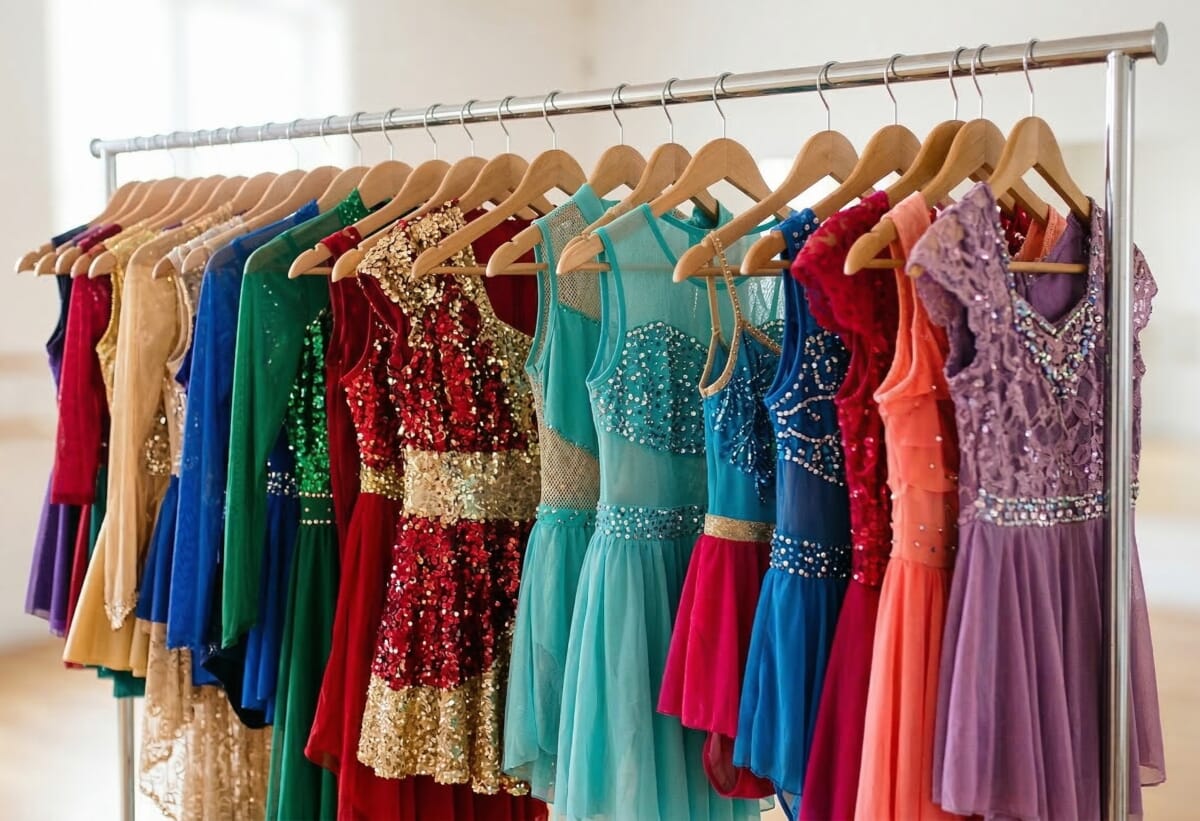
There's remarkably little useful information about wet cleaning online. Wikipedia gives you a paragraph. Machine manufacturers describe their equipment in vague terms. Dry cleaning supply companies mention it as an add-on service. What you won't easily find is a plain explanation of what the process actually is, how it works, and why it's different from putting something through a delicate cycle at home.
That's what this is.
It's not home washing
The first thing to understand: professional wet cleaning is not a domestic washing machine on a gentle setting. The machines look similar from the outside – drum-based, water-fed – but the process works on a different principle entirely.
A domestic washing machine cleans through mechanical action. Clothes are lifted, dropped, tumbled and tossed. That physical agitation, combined with detergent and water, shifts the dirt. It works well for everyday fabrics built to take it. It's also why delicate items come out misshapen, stretched, or damaged.
Professional wet cleaning machines work differently.
Items soak. The drum moves – but gently, in controlled patterns rather than constant tumbling. The goal is to bring the cleaning solution into contact with the fibres without mechanical stress. It's closer in principle to careful hand washing than to machine washing scaled up.
The parameters
What makes professional wet cleaning genuinely professional is precision. Every cycle runs to defined parameters – water temperature, water level relative to load, drum movement patterns, timing – and these are actively monitored and adjusted throughout the process, not just set at the start and left to run.
Temperature matters because fibres behave differently with heat. Elastane – the stretch fibre in most performance and dancewear fabrics – can begin to degrade at temperatures that wouldn't affect cotton or polyester. The damage isn't immediately visible; it shows up as gradual loss of elasticity over repeated cleans, which can be hard to attribute to any single wash.
Water level relative to load affects how much mechanical contact the fabrics experience. More water means more float and less friction between items. Less water means tighter contact and more agitation. The right ratio depends on what's in the drum.
Drum movement is where wet cleaning departs most significantly from home washing. Rather than a fixed tumble action, the movement is calibrated for the load – the speed, direction, and frequency of agitation are adjusted for what's being cleaned. Delicate pieces barely move. Heavier fabrics can take more. The machine responds to the cycle rather than repeating the same action throughout.
The detergent
Professional wet cleaning detergents are formulated specifically for this kind of controlled, low-mechanical-stress process. Three things distinguish them from domestic detergents, including the gentle or delicate varieties sold for home use.
pH neutral. Most laundry detergents are mildly alkaline – alkalinity helps break down oils and organic matter, which is useful for everyday laundry. But sustained alkaline exposure affects dyed fibres and can degrade certain materials over repeated cleans. pH neutral formulations clean effectively without that chemical stress on the fabric.
No optical brighteners. This one is worth understanding properly. Optical brighteners are fluorescent compounds added to most laundry detergents to make whites appear whiter. They work by absorbing ultraviolet light and re-emitting it as visible blue light, which counteracts the slight yellowing that fabrics develop with age and use. In the short term, they're effective. The problem is accumulation: with repeated washing, optical brighteners build up in the fabric structure. Over time, that build-up can cause the very yellowing it was originally masking – particularly on performance fabrics and embellished pieces. On coloured fabrics, they can also interfere with dyes in ways that cause gradual colour shift, difficult to attribute to any individual wash because the effect is so slow.
Biodegradable. This is partly environmental and partly practical. Detergents that break down cleanly don't leave residue in the fabric after rinsing, which matters for anything worn close to the skin.
The formulation stays consistent between fabric types. What changes is the cycle – temperature, water level, movement, timing. The chemistry does the same job on every load; the mechanics adapt to what's in the machine.
What wet cleaning can and can't handle
Wet cleaning is suitable for most garments labelled "dry clean only." That label exists partly because the garment genuinely needs professional care, and partly because manufacturers use it as a catch-all to avoid liability for home washing damage. Professional wet cleaning fulfils the care requirement without the chemical process that "dry clean only" is usually understood to mean.
There are genuine exceptions. Some heavily structured garments – unlined jackets in certain woven fabrics, pieces with internal boning or wired construction – can distort with water exposure regardless of how controlled the process is. Some vintage pieces carry dyes that aren't stable in water. In these cases, solvent cleaning is the right choice, and an experienced cleaner should be able to tell you which category your garment falls into before anything goes near a machine.
For most performance wear, costumes, theatrical pieces, and everyday delicate garments, wet cleaning cleans more thoroughly than solvent-based processes – because most of what's actually in worn clothing is water-soluble – and is kinder to the materials over repeated cleaning.